
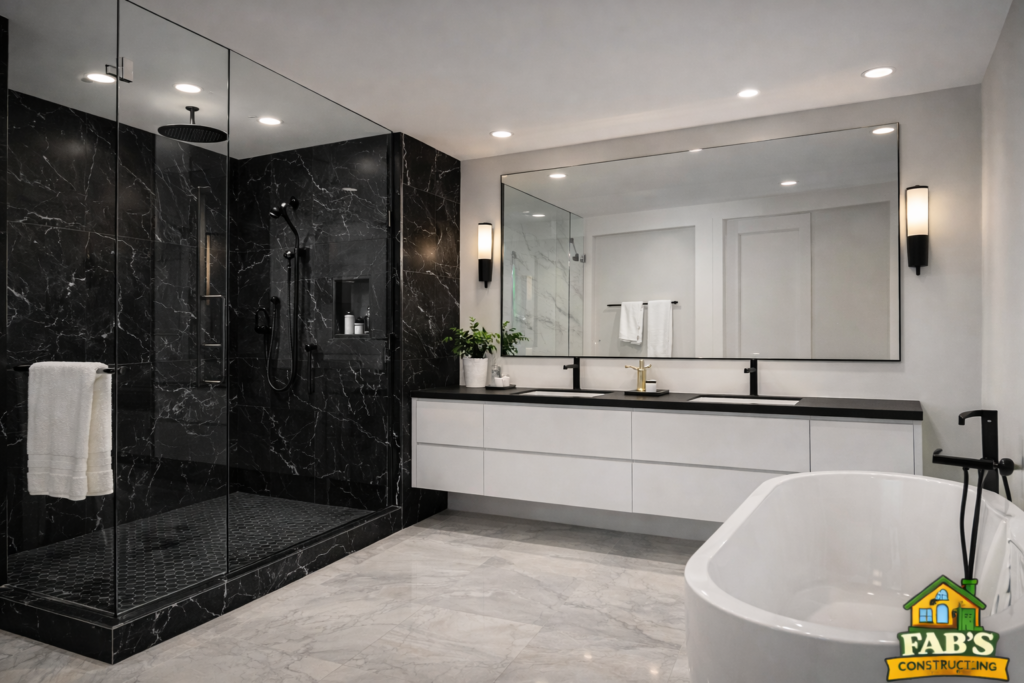
TL;DR: Miami-Dade County requires building permits for any structural, electrical, plumbing, or mechanical work – with fees ranging from $45 for small projects to thousands for major renovations. Only licensed contractors or owner-builders can pull permits, and unpermitted work risks fines, stop-work orders, and title complications during home sales. Processing times vary from 24 hours for simple permits to 10 business days for complex projects requiring engineering review.
Most homeowners planning kitchen remodels, bathroom renovations, or hurricane protection upgrades in Miami-Dade County face a common misconception: they assume cosmetic changes don’t require permits. That assumption costs South Florida homeowners thousands in retroactive fees and sale delays every year. According to Miami-Dade County Building Code Compliance Office, permits are mandatory for “any construction, alteration, repair, or demolition that affects the structural integrity, electrical, plumbing, mechanical, or gas systems of a building.”
Based on our analysis of Miami-Dade County permit regulations, municipal building department guidelines, and contractor licensing requirements collected in March 2026, this guide provides project-specific permit requirements for the six most common residential remodeling scenarios in Miami-Dade and Broward County neighborhoods including Hialeah, Kendall, Doral, Coral Gables, and Miami Beach.
What Permits Are Required for Home Remodeling in Miami-Dade County?
Miami-Dade County operates under a jurisdiction-specific permitting system where your property’s folio number determines whether you apply through the county or your municipality. Properties with folio numbers starting with “30” fall under unincorporated Miami-Dade County jurisdiction, while other prefixes indicate incorporated cities like Miami, Coral Gables, or Hialeah maintain separate building departments with distinct fee structures and processing timelines.
The Miami-Dade Building Code Compliance Office requires permits for work affecting five primary building systems: structural elements (walls, beams, foundations), electrical circuits and fixtures, plumbing supply and drainage, mechanical systems (HVAC), and gas installations. Surface-level cosmetic work like painting, flooring installation, or cabinet replacement without plumbing changes typically doesn’t require permits.
| Project Type | Required Permits | Typical Cost Range | Processing Time |
|---|---|---|---|
| Kitchen remodel (structural) | Building, Electrical, Plumbing | $450-$650 | 5-10 business days |
| Bathroom renovation | Building, Electrical, Plumbing | $325-$425 | 5-10 business days |
| Impact window installation | Building (per opening) | $75-$150 per window | 3-5 business days |
| Roof replacement | Building, Roofing | $300-$800 | 7-10 business days |
| Pool construction | Building, Electrical, Plumbing | $1,200-$2,500 | 15-30 business days |
| Fence installation (>6 ft) | Building | $125-$250 | 3-5 business days |
Unpermitted work carries substantial financial and legal consequences in Miami-Dade County. The Miami-Dade Code Enforcement ordinance establishes fines ranging from $500 to $5,000 per violation, with the Building Code Compliance Office requiring double permit fees for retroactive permitting. Beyond monetary penalties, unpermitted work triggers stop-work orders that halt construction until proper permits are obtained and inspections pass.
The jurisdiction determination process requires checking your property folio on the Miami-Dade Property Appraiser website. This verification step prevents the common mistake of applying to the wrong building department – a delay that adds weeks to project timelines when applications must be withdrawn and resubmitted to the correct jurisdiction.
Key Takeaway: Determine your jurisdiction using your property folio number before starting any permit application. Folio numbers beginning with “30” require Miami-Dade County permits; all others need municipal permits from cities like Miami, Coral Gables, or Hialeah.
Which Kitchen Remodeling Projects Need Permits?
Kitchen renovations trigger permit requirements based on the building systems affected rather than the project’s cosmetic scope. The Miami-Dade residential alteration requirements mandate building permits for wall removal or structural modifications, electrical permits for new circuits or relocated outlets, and plumbing permits when moving sinks, dishwashers, or gas lines.
Electrical Work Requirements
Installing new electrical circuits for appliances represents one of the most common permit triggers in kitchen remodels. According to Miami-Dade’s electrical permit requirements, adding circuits for ranges, refrigerators, or kitchen islands requires electrical permits costing $150-$200. The permit covers installation of new circuit breakers, wiring runs through walls, and outlet/switch installations complying with National Electrical Code standards.
Replacing existing appliances using the same electrical connections doesn’t require permits, but upgrading from a standard range to a commercial-grade 240V model triggers permit requirements due to the increased electrical load and potential circuit modifications.
Plumbing Modifications
Relocating plumbing fixtures represents the most complex permit scenario in kitchen renovations. Moving a sink six inches requires the same plumbing permit as relocating it across the room – both alter the plumbing system layout requiring inspection verification. According to the fee schedule, plumbing permits for kitchen work cost $175-$225.
Adding a kitchen island with a prep sink triggers both plumbing and electrical permit requirements. The plumbing permit covers supply lines, drain connections, and venting, while the electrical permit addresses GFCI outlets required within six feet of the sink per current code.
Structural Changes
Wall removal in kitchens – whether load-bearing or non-load-bearing – requires building permits with structural review. Projects involving load-bearing wall removal require additional engineering review fees of $300-$500, extending processing times from the standard 5-10 business days to 15-20 business days according to ePermits portal data.
The permit-exempt versus permit-required distinction in kitchen work follows clear boundaries:
Permit-Exempt Kitchen Work:
- Cabinet installation using existing plumbing connections
- Countertop replacement without structural modifications
- Appliance replacement using existing electrical/gas connections
- Interior painting and decorative finishes
- Flooring installation (tile, hardwood, laminate)
Permit-Required Kitchen Work:
- Installing new electrical circuits for appliances
- Relocating plumbing fixtures (sink, dishwasher)
- Removing or modifying walls (load-bearing or non-load-bearing)
- Adding gas lines for ranges or cooktops
- Installing new HVAC vents or ductwork
Coral Gables properties within historic districts face additional requirements beyond standard Miami-Dade permits. The City of Coral Gables Historic Preservation Division requires a Certificate of Appropriateness from the Historic Preservation Board for exterior alterations visible from the street, adding 2-4 weeks to the permitting timeline. This dual-approval process affects properties in neighborhoods like Coral Gables Riviera Section, Country Club Prado, and Granada.
For homeowners planning kitchen renovations in Miami-Dade County, working with licensed contractors who understand local permit requirements streamlines the process significantly. Companies like Fab’s Construction & Remodeling handle permit applications as part of their kitchen remodeling services, ensuring all documentation meets Miami-Dade Building Code Compliance Office standards before submission.
Key Takeaway: Kitchen remodels requiring electrical, plumbing, and building permits cost $450-$650 in fees with 5-10 business day processing for standard projects. Wall removal requiring engineering review adds $300-$500 and extends timelines to 15-20 business days.
Do I Need a Permit for Bathroom Renovation in Miami-Dade?
Bathroom renovations in Miami-Dade County require permits whenever work extends beyond surface finishes to affect plumbing, electrical, or structural systems. The Miami-Dade residential alteration requirements specify that relocating sinks, toilets, showers, or tubs requires plumbing permits, while adding or moving electrical outlets, lighting fixtures, or exhaust fans requires electrical permits.
A full bathroom remodel typically requires 2-3 separate permits with combined fees of $325-$425 based on the current fee schedule. Plumbing permits for fixture relocation cost $175-$225, electrical permits for new circuits and outlets run $150-$200, and building permits for non-structural modifications range from $125-$175. Projects involving wall removal or structural changes to accommodate larger showers or bathtubs require additional building permit fees and engineering review.
The waterproofing inspection requirement represents a critical checkpoint in bathroom renovations that many homeowners overlook. According to Miami-Dade residential inspection requirements, waterproofing membrane installation in showers and wet areas requires inspection before tile installation. Inspectors verify proper membrane overlap, corner details, and penetration sealing to prevent water intrusion that causes mold and structural damage.
Failing to schedule the waterproofing inspection before tiling creates expensive remediation scenarios. Inspectors discovering unpermitted or uninspected waterproofing after tile installation may require selective demolition to verify code compliance – a process that adds $2,000-$5,000 in demolition and reinstallation costs to bathroom projects.
Bathroom Work Requiring Permits:
- Moving plumbing fixtures (toilet, sink, shower, tub)
- Installing new electrical circuits or outlets
- Adding or relocating exhaust fans
- Removing walls or modifying structural elements
- Installing new shower pans or waterproofing systems
Bathroom Work Exempt from Permits:
- Replacing fixtures without relocating plumbing
- Installing new vanity cabinets using existing plumbing
- Painting, wallpaper, or decorative finishes
- Replacing tile using existing waterproofing
- Installing new mirrors, towel bars, or accessories
The inspection sequence for bathroom renovations follows a specific order: rough plumbing inspection after pipe installation but before covering walls, electrical rough-in inspection after wiring but before drywall, waterproofing inspection after membrane installation but before tile, and final inspection after all work completes. Each inspection must be scheduled at least 24 hours in advance through the ePermits portal or by phone.
Key Takeaway: Bathroom renovations moving plumbing or electrical require 2-3 permits costing $325-$425 total. The waterproofing inspection before tile installation is mandatory and cannot be skipped without risking expensive demolition for verification.
What Permits Are Required for Impact Windows and Hurricane Protection?
Impact window installation in Miami-Dade County requires building permits and strict adherence to High Velocity Hurricane Zone (HVHZ) regulations that exceed standard Florida Building Code requirements. The Florida Building Code Chapter 16 HVHZ provisions mandate that products withstand wind speeds of 175+ mph and large missile impact testing – standards specific to Miami-Dade and Broward Counties.
Every impact window, door, and hurricane protection product installed in Miami-Dade must have a current Notice of Acceptance (NOA) from the Miami-Dade Product Control Section. The NOA database provides searchable verification that products meet HVHZ testing requirements. Installation without approved NOA documentation fails inspection regardless of product quality, forcing removal and replacement with approved products.
Permit fees for impact window installation calculate per opening rather than per window. According to the Miami-Dade fee schedule, typical single window openings cost $75-$100 in permit fees, while large openings like sliding glass doors or picture windows run $100-$150 per opening. A 10-window replacement project incurs $750-$1,000 in permit fees alone before contractor labor and materials.
The permit application for impact windows requires specific documentation:
- Valid contractor license number and insurance certificates
- Product NOA numbers for each window and door model
- Manufacturer installation instructions
- Window schedule showing opening sizes and locations
- Signed owner-contractor agreement
Processing times for impact window permits average 3-5 business days according to ePermits portal data, assuming complete applications with valid NOA documentation. Applications missing NOA numbers or using expired product approvals face rejection and resubmission delays of 5-10 business days.
Hurricane shutter permits follow similar NOA requirements but differ in installation inspection protocols. Permanent shutters like accordion, Bahama, or colonial styles require building permits and installation inspections to verify proper anchoring to building structure. Temporary panel systems using track-mounted panels require permits but may have simplified inspection requirements depending on installation method.
The inspection for impact windows verifies several critical elements: proper anchoring to structural framing, correct flashing and waterproofing around openings, NOA-compliant installation following manufacturer specifications, and proper operation of all moving parts. Failed inspections require corrections and re-inspection scheduling with minimum 24-hour notice, adding 2-3 days to project timelines for each failure cycle.
For South Florida homeowners in hurricane-prone areas like Miami Beach, Key Biscayne, and Aventura, working with contractors experienced in Miami-Dade Product Control requirements prevents costly installation failures. Fab’s Construction & Remodeling specializes in impact window installation throughout Miami-Dade County, handling NOA verification and permit applications as part of their hurricane protection services.
Key Takeaway: Impact window permits cost $75-$150 per opening and require valid Miami-Dade NOA documentation for all products. A 10-window project incurs $750-$1,000 in permit fees with 3-5 business day processing for complete applications.
How Do Roofing Permits Work in Miami-Dade County?
Roofing permits in Miami-Dade County distinguish between re-roof permits for complete replacement and roof repair permits for partial work. The Miami-Dade roofing permit requirements mandate re-roof permits when replacing more than 25% of roof area or any portion of roof deck, while complete tear-off and replacement always requires re-roof permits regardless of area affected.
The 25% threshold creates a critical decision point for homeowners evaluating storm damage or aging roofs. Projects affecting 24% of roof area qualify for less expensive roof repair permits with simplified inspection requirements, while 26% triggers full re-roof permitting with multiple mandatory inspections and enhanced windstorm compliance verification.
Re-roof permits require three mandatory inspections according to Miami-Dade residential inspection requirements: roof deck inspection after old roofing removal but before underlayment installation, underlayment/dry-in inspection after weather barrier installation but before shingles, and final inspection after completion. Each inspection verifies compliance with HVHZ windstorm requirements including enhanced nail patterns, increased fastener density, and proper underlayment attachment.
Permit fees for roofing projects calculate based on project valuation and scope. According to the Miami-Dade fee schedule, typical residential re-roof permits cost $300-$800 depending on roof size and complexity. Processing times average 7-10 business days for standard re-roof applications with complete documentation, extending to 15-20 days for complex roof designs requiring engineering review.
All roofing products installed in Miami-Dade County require valid NOA documentation from the Product Control Section. The NOA specifies approved installation methods, nail patterns, and fastener requirements that inspectors verify during the underlayment and final inspections. Using non-approved products or deviating from NOA installation specifications results in failed inspections and required corrections.
The inspection sequence timing creates critical scheduling considerations for roofing contractors. Missing the deck inspection before installing underlayment may require removing underlayment to verify deck condition – a costly rework adding $1,500-$3,000 in labor and materials. Similarly, installing shingles before the underlayment inspection passes forces removal and reinstallation to verify proper weather barrier installation.
Required Roofing Inspections:
- Deck Inspection: Verifies structural integrity, proper fastening, and damage-free substrate
- Underlayment/Dry-in Inspection: Confirms proper weather barrier installation, overlap, and fastening per NOA
- Final Inspection: Verifies shingle installation, flashing details, and overall code compliance
Processing delays occur when contractors submit incomplete applications missing required documentation. The permit application process guide lists mandatory documents: contractor license and insurance, product NOA numbers, manufacturer installation instructions, and signed owner-contractor agreement. Applications missing any required element face rejection and 5-10 day resubmission delays.
Key Takeaway: Re-roof permits cost $300-$800 with 7-10 business day processing and require three mandatory inspections: deck, underlayment, and final. Missing intermediate inspections can require removing installed materials for verification.
What’s the Miami-Dade Permit Application Process?
The Miami-Dade permit application process operates through a five-step sequence with specific documentation requirements and processing timelines at each stage. Understanding this workflow prevents common delays that extend project start dates by weeks when applications face rejection for incomplete submissions.
Step 1: Jurisdiction Verification (1-2 days)
Before applying for any permit, verify your property jurisdiction using the Miami-Dade Property Appraiser website. Enter your address to view your property folio number. Folio numbers starting with “30” indicate unincorporated Miami-Dade County jurisdiction requiring county permits. Other folio prefixes indicate incorporated municipalities like Miami, Coral Gables, Hialeah, or Doral that maintain separate building departments with distinct application processes and fee structures.
Step 2: Document Preparation (2-5 days)
Gather required documentation according to the permit application process guide:
- Property owner name, address, and contact information
- Licensed contractor name, license number, and insurance certificates
- Detailed project description and scope of work
- Architectural or engineering plans for structural work
- Product NOA numbers for windows, doors, or roofing materials
- Signed owner-contractor agreement
- Estimated project valuation for fee calculation
Step 3: Application Submission (1 day)
Submit applications through the Miami-Dade ePermits online portal or in person at the Building Code Compliance Office. Online submissions provide 24/7 access and automated status tracking, while in-person submissions allow immediate clarification of documentation questions. According to Miami-Dade permit processing data, online applications typically enter review queues faster than paper submissions.
Step 4: Plan Review and Processing (1-30 days)
Processing times vary significantly by permit type and complexity. Simple electrical or plumbing permits process in 3-5 business days, while building permits requiring structural engineering review take 15-30 business days. The ePermits portal provides real-time status updates showing whether applications are in initial review, corrections required, or approved.
Applications requiring corrections – called “reworks” – must address all reviewer comments before resubmission. According to permit processing guidelines, rework reviews take 24 hours to 10 business days once corrections are submitted. Multiple rework cycles can extend total processing time to 30-45 days for complex projects with incomplete initial submissions.
Step 5: Permit Issuance and Activation (1 day)
Once approved, permits are issued electronically through the ePermits portal. Contractors must print approved plans within 30 days of permit issuance according to permit activation requirements. Permits activate upon issuance and remain valid for 180 days, requiring at least one approved inspection within that period to avoid expiration.
| Permit Type | Typical Processing Time | Required Documents | Average Cost |
|---|---|---|---|
| Electrical (simple) | 3-5 business days | License, insurance, circuit diagram | $150-$200 |
| Plumbing (simple) | 3-5 business days | License, insurance, fixture schedule | $175-$225 |
| Building (non-structural) | 5-10 business days | License, insurance, plans, scope | $125-$225 |
| Building (structural) | 15-30 business days | License, insurance, engineered plans | $300-$800 |
| Impact windows | 3-5 business days | License, insurance, NOA numbers | $75-$150/opening |
| Roofing | 7-10 business days | License, insurance, NOA, scope | $300-$800 |
Permit expiration creates significant project delays when work doesn’t start or inspections don’t occur within 180 days. According to Miami-Dade permit extension procedures, expired permits can be extended for an additional 180 days by submitting an extension request through the ePermits portal and paying a 100% fee penalty equal to the original permit cost.
Key Takeaway: The permit application process takes 3-30 business days depending on project complexity. Complete applications with all required documentation, valid contractor licenses, and NOA numbers for applicable products process fastest, while incomplete submissions face rejection and 5-10 day resubmission delays.
Which Home Improvements Don’t Need Permits in Miami-Dade?
Understanding permit exemptions prevents unnecessary application delays and costs for cosmetic projects that don’t affect building systems or structural integrity. The Miami-Dade exempt work list provides definitive guidance on projects that can proceed without permits, though homeowners must verify exemptions apply to their specific situation.
Permit-Exempt Interior Work:
- Interior painting, wallpaper, and decorative finishes
- Flooring installation (tile, hardwood, carpet, laminate)
- Cabinet installation without plumbing or electrical modifications
- Countertop replacement without structural changes
- Appliance replacement using existing connections
- Window treatments, blinds, and curtains
- Interior trim, molding, and millwork
Permit-Exempt Exterior Work:
- Exterior painting and staining
- Landscaping and irrigation (non-structural)
- Fences in rear/side yards up to 6 feet height
- Temporary decorative lighting (under 90 days)
- Minor repairs not affecting structural elements
The fence height exemption creates a common confusion point for homeowners. According to the exempt work guidelines, fences in rear and side yards up to 6 feet in height are generally exempt from building permits, while fences exceeding 6 feet, located in front yards, or requiring structural foundations require permits. This 6-foot threshold applies to fence height measured from grade, not from the top of any retaining wall or elevation change.
Cabinet installation exemptions depend entirely on whether plumbing or electrical work accompanies the installation. Replacing kitchen cabinets using existing plumbing connections and electrical outlets requires no permit, but adding a kitchen island with new plumbing for a prep sink or new electrical circuits for outlets triggers plumbing and electrical permit requirements.
Deck construction exemptions follow specific height thresholds. The residential alteration requirements exempt decks and elevated platforms under 30 inches in height above grade, while decks exceeding 30 inches require building permits with structural review. This 30-inch measurement determines whether a deck qualifies as a low-level platform or an elevated structure requiring engineered support and safety railings.
Grey Areas Requiring Verification:
- Fence installations near property lines or in front yards
- Deck repairs that don’t replace structural members
- Minor electrical work like replacing existing fixtures
- Plumbing fixture replacement without relocation
- HVAC filter changes and minor maintenance
Homeowners uncertain about exemption status should contact the Miami-Dade Building Code Compliance Office at (786) 315-2100 between 7:30 a.m. and 4:30 p.m., Monday through Friday for project-specific guidance. Proceeding with work that requires permits under the assumption of exemption creates the same penalties as deliberately unpermitted work: fines of $500-$5,000, double permit fees for retroactive permitting, and potential title complications during home sales.
The cosmetic work exemption disappears when projects trigger building system modifications. Installing new tile flooring requires no permit, but removing walls to create open-concept spaces during the same project requires building permits even though the flooring work itself is exempt. This interconnection between exempt and permit-required work means comprehensive remodeling projects almost always require permits even when individual components might qualify for exemptions.
Key Takeaway: Cosmetic work like painting, flooring, and cabinet installation without plumbing/electrical changes is permit-exempt. Fences under 6 feet in rear yards and decks under 30 inches height are also exempt, but any structural, electrical, or plumbing modifications trigger permit requirements.
Frequently Asked Questions
How much do remodeling permits cost in Miami-Dade County?
Direct Answer: Permit costs range from $45 for projects under $2,500 to over $1,000 for major renovations, calculated as 0.5% of estimated construction cost for most residential work.
According to the Miami-Dade County fee schedule effective October 2025, projects under $2,500 pay a fixed $45 fee, while larger projects calculate fees as 0.5% of estimated construction cost. A $50,000 kitchen remodel incurs approximately $250 in building permit fees, plus separate electrical ($150-$200) and plumbing ($175-$225) permit fees totaling $575-$675 for all required permits.
How long does it take to get a building permit in Miami-Dade?
Direct Answer: Simple permits process in 3-5 business days, while complex projects requiring engineering review take 15-30 business days.
The ePermits portal processing data shows electrical and plumbing permits for straightforward work process in 3-5 business days, building permits for non-structural alterations take 5-10 business days, and structural permits requiring engineering review extend to 15-30 business days. Incomplete applications add 5-10 days for each rework cycle when corrections are required.
Can I do work without a permit in Miami-Dade County?
Direct Answer: No – unpermitted work results in fines of $500-$5,000 per violation, double permit fees for retroactive permitting, and potential title issues during home sales.
The Miami-Dade Code Enforcement ordinance establishes penalties for unpermitted work including monetary fines, stop-work orders that halt construction, and mandatory retroactive permitting at double the standard fee. Real estate transactions often require verification of permits for major improvements, with unpermitted work delaying or preventing closings until resolved.
Do I need a permit to replace kitchen cabinets in Miami-Dade?
Direct Answer: No permit is required for cabinet replacement using existing plumbing and electrical connections, but adding new plumbing or electrical work triggers permit requirements.
According to the exempt work list, cabinet installation without plumbing or electrical modifications is permit-exempt. However, adding a kitchen island with new plumbing for a prep sink or new electrical circuits for outlets requires plumbing and electrical permits even though the cabinet installation itself is exempt.
What happens if I get caught remodeling without a permit?
Direct Answer: Code enforcement issues stop-work orders, fines of $500-$5,000 per violation, and requires retroactive permits at double the standard fee plus invasive inspections to verify hidden work.
The unpermitted work procedures require immediate work stoppage, retroactive permit applications at double fees, and potentially invasive inspections requiring selective demolition to verify code compliance behind finished surfaces. Violations discovered during home sales create title issues that delay or prevent closings until resolved.
Who can pull permits in Miami-Dade County?
Direct Answer: Only licensed contractors or owner-builders can pull permits – homeowners cannot obtain permits for work performed by unlicensed contractors.
According to Miami-Dade permit authority guidelines, building permits are issued only to licensed contractors with valid state or county licenses and current insurance, or to property owners acting as owner-builders for their owner-occupied single-family residence or duplex. The owner-builder requirements limit owner-builders to one new construction every two years, though unlimited repair and alteration permits are allowed for owner-occupied properties.
Do I need a permit for impact windows in Miami-Dade?
Direct Answer: Yes – impact window installation requires building permits at $75-$150 per opening and products must have valid Miami-Dade NOA documentation.
The Product Control Section requires all windows, doors, and hurricane protection products to have current Notice of Acceptance (NOA) from Miami-Dade Product Control. Installation without approved NOA fails inspection regardless of product quality, and permit fees calculate per opening according to the fee schedule.
How do I know if my contractor pulled the proper permits?
Direct Answer: Verify permits online through the Miami-Dade ePermits portal using your address or permit number, or call Permit Records at (786) 315-2100.
The ePermits system provides public access to permit records, inspection history, and permit status searchable by property address, permit number, or contractor license. Florida law requires licensed contractors to provide property owners with copies of all permit applications, approved permits, and final inspection certificates upon completion of work. Homeowners should verify permits before making final payment to contractors.
Ready to Get Started?
For personalized guidance, visit Fab’s Construction & Remodeling to learn how we can help.
Conclusion
Navigating Miami-Dade County’s permit requirements requires understanding jurisdiction determination, project-specific permit types, HVHZ compliance standards, and inspection sequences that vary by remodeling scope. The distinction between unincorporated county and municipal jurisdictions, combined with Product Control NOA requirements unique to South Florida’s High Velocity Hurricane Zone, creates complexity that licensed contractors navigate more efficiently than homeowners attempting owner-builder permits.
The financial and legal consequences of unpermitted work – fines up to $5,000, double permit fees for retroactive permitting, and title complications during home sales – far exceed the cost and time investment of proper permitting. Processing times of 3-30 business days and permit fees of $45-$1,000+ for typical residential projects represent minor delays compared to the months-long remediation required when code enforcement discovers unpermitted work.
For homeowners planning kitchen remodels, bathroom renovations, impact window installations, or roofing projects in Miami-Dade County, working with experienced local contractors like Fab’s Construction & Remodeling ensures permit applications include all required documentation, products meet NOA approval standards, and inspections occur at proper project phases to prevent costly rework.
Note: Permit fees and regulations are subject to change. Always verify with the Miami-Dade Building Code Compliance Office before starting construction.”