
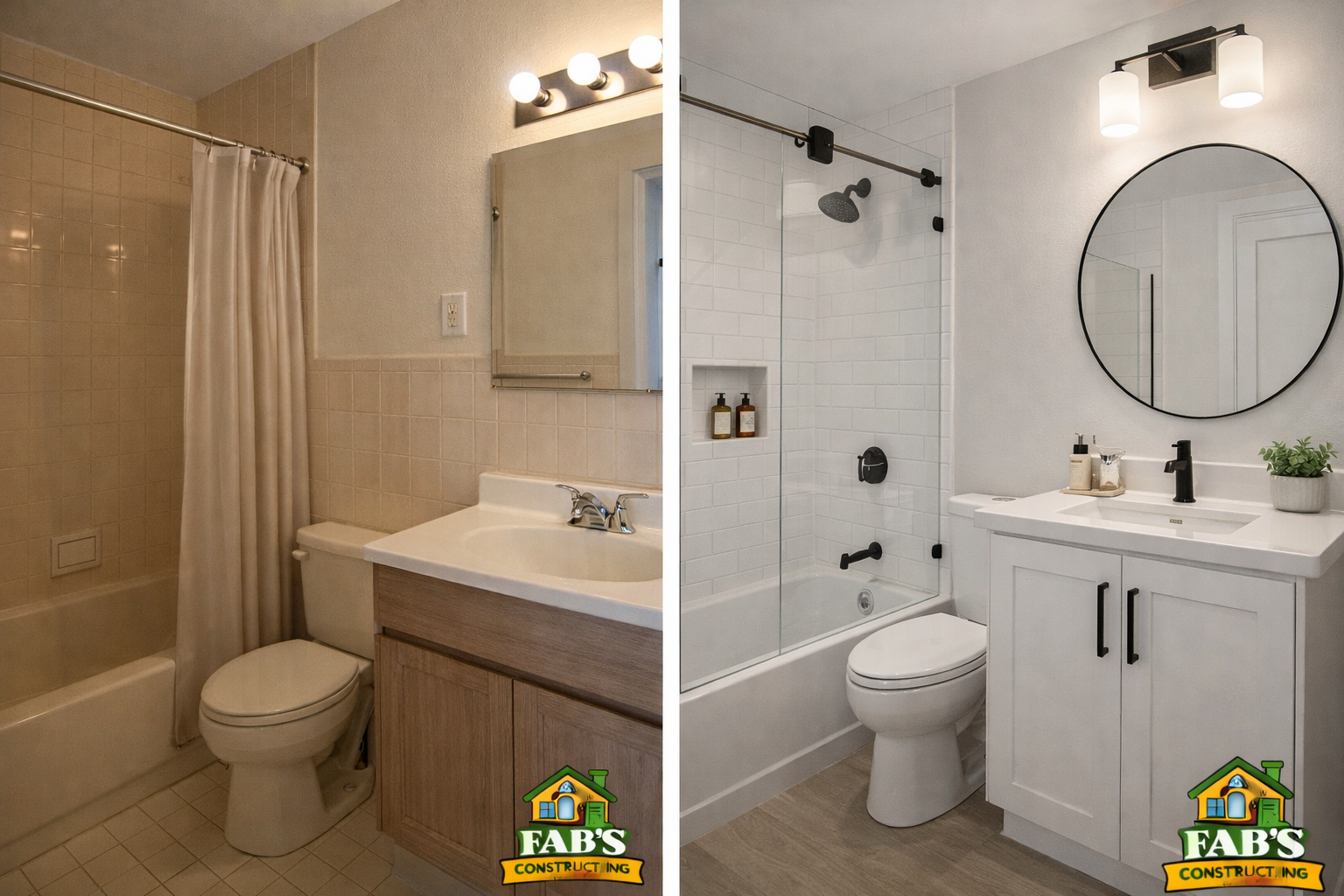
TL;DR: According to Realmhome, renovation spending is projected to hit $524 billion in early 2026. Major home renovations in Miami-Dade and Broward counties require 3–6 months of planning before construction begins, with budgets 15–25% higher than national averages due to hurricane code requirements. Expect to allocate 20–25% contingency funds for pre-1992 homes, obtain building permits for any work exceeding $1,000, and verify contractor licenses through Florida’s DBPR database. Hurricane season (June–November) can add 3–6 weeks to exterior work timelines, making spring the optimal start window for South Florida projects.
What Defines a Major Home Renovation Project?
Direct Answer: A major home renovation is any project exceeding $50,000 or involving structural, mechanical, or electrical system changes that require building permits and professional contractors.
According to Matterport, the home remodeling market is now worth over $600 billion. Amerisave projects spending to reach $526 billion by the first quarter of 2026, with bathroom and kitchen remodels leading demand across South Florida.
In Miami-Dade and Broward counties, major renovations typically include:
- Whole-home remodels affecting multiple rooms
- Kitchen and bathroom overhauls with structural changes
- Impact window installations throughout the property
- Roof replacements with hurricane protection upgrades
- Structural additions or load-bearing wall modifications
What sets Miami-Dade and Broward County renovations apart is mandatory compliance with Florida Building Code 8th Edition, which requires 175+ mph wind load design for all structural work and impact-resistant coverings for openings. This code compliance adds 15–25% to material costs compared to standard construction in non-hurricane zones.
The planning timeline for major renovations extends far beyond what most homeowners anticipate. This Old House notes that “a year is the minimum you’d want to spend in a house to understand what you want to change and why,” while “clients who work with Silva Brothers Construction often wait three years before the project starts.” For South Florida homeowners, this extended planning period allows you to observe how your home performs through multiple hurricane seasons and identify priority improvements.
Flood zone considerations add another layer of complexity for coastal properties. FEMA zones AE and VE – common throughout Miami Beach, Key Biscayne, and coastal Broward County – require:
- Elevated mechanicals (HVAC, electrical panels, water heaters) above Base Flood Elevation
- Flood-resistant materials below BFE (tile, concrete, vinyl)
- FEMA Elevation Certificates costing $400–$800
- Flood vents in foundation walls for enclosed areas
These requirements can add $5,000–$15,000 to renovation budgets but are non-negotiable for permit approval and flood insurance compliance.
Key Takeaway: Major renovations in Miami-Dade require 3–6 months planning before construction, with hurricane codes and flood zone requirements adding 15–25% to national cost averages. Start planning at least one year before your target construction date.
How Do You Set a Realistic Renovation Budget?
Direct Answer: Set a realistic budget by allocating 10–20% over estimated costs – and in South Florida, that premium climbs to 20–25% for homes built before 1992.
The Spruce reports that “a home renovation can cost an average of $15 to $60 per square foot,” with “renovating a house that is 1,250 to 1,600 square feet costs an average of $52,040, but you can pay up to $189,000.”
For Miami-Dade and Broward counties specifically, expect these cost ranges:
Kitchen Renovations:
- Mid-range: $68,000–$85,000 (national average: $54,912)
- Upscale: $120,000–$150,000 (national average: $108,347)
- Premium materials add 15–25% due to hurricane-rated cabinetry and impact-resistant glass backsplashes
Bathroom Renovations:
- Mid-range: $18,000–$28,000
- Upscale: $45,000–$65,000
- Flood zone properties add $3,000–$8,000 for elevated plumbing and moisture-resistant materials
Impact Window Installation:
- $800–$1,100 per window (including Miami-Dade NOA certification)
- Typical 2,000 sq ft home (20–25 windows): $18,000–$28,000
- Hurricane-rated sliding glass doors: $2,500–$4,500 each
Roof Replacement:
- $12,000–$25,000 for 2,000 sq ft home
- Enhanced sheathing for hurricane protection: +$3,000–$6,000
- Concrete tile (common in South Florida): $18,000–$35,000
According to Martha Stewart, you should “plan to spend about 15 to 30 percent more than the actual quote you receive to cover these additional expenses.” This Old House contractors recommend setting aside “15 to 20 percent of your budget in reserve to cover unforeseen things once the work starts.”
Here’s a realistic budget breakdown for an $80,000 kitchen renovation in Miami-Dade:
| Category | Cost | Percentage |
|---|---|---|
| Base construction | $68,000 | 68% |
| Design fees (10%) | $6,800 | 7% |
| Permits/fees | $1,850 | 2% |
| Contingency (20%) | $16,000 | 16% |
| Hurricane code upgrades | $7,350 | 7% |
| Total realistic budget | $100,000 | 100% |
Hidden costs that catch homeowners off-guard include:
- Design fees: 8–15% of construction budget for licensed architects or interior designers
- Structural engineering: 3–5% additional if load-bearing walls are modified
- Permit fees: $500–$3,000 depending on project scope
- Notice of Commencement filing: $10 (mandatory for lien protection)
- Temporary housing: $3,000–$6,000/month for furnished rentals during major work
- Storage unit rental: $150–$300/month for furniture and belongings
- Utility cost increases: 20–40% higher during construction due to dust containment systems
For homes built before Hurricane Andrew (pre-1992), budget an additional 20–25% contingency. These older homes frequently reveal asbestos floor tiles ($3,000–$8,000 removal), aluminum wiring requiring replacement ($4,000–$10,000), rotted framing from prior water damage, and outdated electrical panels that don’t meet current code.
Key Takeaway: Miami-Dade kitchen renovations average $68,000–$135,000 vs. national $40,000–$100,000. Allocate 20–25% contingency for pre-1992 homes and budget $1,850–$3,500 for permits, design fees, and temporary housing costs.
What Permits Are Required in Miami-Dade County?
Direct Answer: Miami-Dade County requires building permits for all work valued over $1,000 involving structural modifications, electrical systems, plumbing, or HVAC installations. Permit fees range from $500 for minor bathroom work to $3,000+ for whole-home renovations, with approval timelines of 2–8 weeks depending on project complexity.
The permit application process follows these steps:
- Submit plans and application through Miami-Dade’s online portal or in-person at the Building Department
- Plan review by multiple departments (building, electrical, plumbing, mechanical) takes 2–3 weeks for simple projects, 6–8 weeks for complex renovations
- Corrections and resubmission if plans don’t meet code (adds 1–2 weeks)
- Permit issuance once all departments approve
- Notice of Commencement filing with Clerk of Courts ($10 fee) before construction begins
Florida Building Code 8th Edition, effective December 31, 2023, governs all renovation work in Miami-Dade and Broward counties. For Wind Zone 4 (which includes all of Miami-Dade and Broward), structures must meet 175 mph ultimate design wind speed with impact-resistant coverings for all openings. This means:
- All window and door replacements require Miami-Dade NOA (Notice of Acceptance) certification
- Roof installations must use enhanced sheathing and hurricane-rated fasteners
- Garage doors must meet 175 mph wind load requirements
- Any structural modifications require engineered plans stamped by a Florida-licensed PE
Permit costs for common South Florida renovations:
| Project Type | Permit Fee Range | Approval Timeline |
|---|---|---|
| Kitchen remodel (no structural) | $800–$1,500 | 2–3 weeks |
| Kitchen remodel (structural) | $1,500–$2,500 | 4–6 weeks |
| Bathroom remodel | $500–$1,200 | 2–3 weeks |
| Impact window installation | $500–$800 | 2–3 weeks |
| Roof replacement | $800–$1,500 | 2–4 weeks |
| Whole-home renovation | $2,500–$5,000 | 6–8 weeks |
The Notice of Commencement (NOC) is a critical but often overlooked requirement. Florida Statute 713.13 requires property owners to file an NOC with the Clerk of Courts before construction begins. This $10 filing protects you from contractor liens – even if you’ve paid your general contractor in full, subcontractors and suppliers can place liens on your property if the NOC isn’t filed. The form is available at miami-dadeclerk.gov and must be posted visibly on your property within three days of filing.
Miami-Dade requires four mandatory inspection stages that must be approved sequentially:
- Foundation/structural inspection after framing but before drywall
- Rough-in inspection for electrical, plumbing, and HVAC systems
- Insulation/drywall inspection before walls are closed
- Final inspection after all work is complete
Each inspection must be scheduled 48 hours in advance through the county’s online portal. Failed inspections add 1–2 weeks to your timeline while corrections are made and re-inspection is scheduled.
Consequences of unpermitted work are severe. Miami-Dade Code Compliance issues Stop Work Orders for unpermitted construction, with fines starting at $500/day. Homeowners must remove completed work, obtain permits retroactively (at double the normal fee), and pay re-inspection costs averaging $2,500–$5,000 total. Unpermitted work also voids homeowner insurance coverage, must be disclosed during home sales (reducing property value), and can prevent refinancing.
For properties in flood zones, additional requirements include:
- FEMA Elevation Certificate ($400–$800) showing Base Flood Elevation
- Elevated mechanicals (HVAC, electrical panels, water heaters) above BFE
- Flood-resistant materials (tile, concrete, vinyl) below BFE
- Flood vents in foundation walls for enclosed areas
Expedited permit review is available for an additional $500 fee, reducing approval time to 10 business days for eligible projects. This option makes sense for time-sensitive renovations or when hurricane season is approaching.
Key Takeaway: Building permits cost $500–$3,000 in Miami-Dade with 2–8 week approval timelines. File Notice of Commencement ($10) before construction to prevent contractor liens, and budget 6–8 weeks for complex whole-home renovation permits requiring multi-department review.
How Do You Choose the Right Contractor?
Direct Answer: Choosing a contractor starts with verifying their Florida state license, insurance coverage, and references before signing any contract. According to Florida DBPR data, 82% of homeowner complaints involve contractors who either held invalid licenses, lacked proper insurance, or had no written contract.
The contractor vetting process should follow these steps:
1. Verify State License
Florida law requires all contractors performing work over $1,000 to hold an active state license. Visit myfloridalicense.com/wl11.asp and search by license number or business name. The database shows:
- License status (must be “Active/Current”)
- Expiration date
- Insurance coverage details
- Disciplinary history and complaints
Florida Statute 489.127 establishes penalties of $5,000 per violation for unlicensed contracting, plus possible criminal charges. More importantly for homeowners, insurance policies exclude coverage for work performed by unlicensed contractors.
2. Confirm Insurance Coverage
Licensed contractors must maintain minimum $1 million general liability insurance and workers’ compensation coverage for all employees. Request a Certificate of Insurance (COI) directly from the insurance carrier – not from the contractor. You should be listed as “Certificate Holder” on the COI, and coverage must remain active during your entire project period.
If a contractor claims to work alone and doesn’t need workers’ comp, verify this through Florida’s exemption registry. Uninsured workers injured on your property become your liability, potentially costing tens of thousands in medical bills and legal fees.
3. Check References and Past Work
Request contact information for three recent clients with similar project scopes. When calling references, ask:
- Did the project finish on time and on budget?
- How did the contractor handle unexpected issues?
- Would you hire them again?
- Were there any disputes about change orders or final payment?
Visit completed projects in person if possible. Quality craftsmanship is visible in details like clean grout lines, level tile installations, properly aligned cabinet doors, and smooth paint finishes.
4. Interview Multiple Contractors
Matterport recommends getting quotes from “at least three” contractors. During interviews, ask:
- How long have you been licensed in Florida?
- Do you have experience with Miami-Dade hurricane code requirements?
- Will you obtain all necessary permits?
- Who will be the on-site supervisor?
- How do you handle change orders?
- What’s your payment schedule?
- Do you provide a written warranty?
- Can you provide a detailed timeline with milestones?
- How do you handle material delays or weather disruptions?
- What happens if I’m not satisfied with the work?
Red flags that should disqualify a contractor immediately:
- No valid Florida license
- Requests cash-only payment
- Won’t provide written contract
- Asks for more than 10% deposit upfront
- Pressures you to make immediate decisions
- Can’t provide insurance certificates
- Refuses to obtain permits (“We can save you money by skipping permits”)
- Provides vague timeline or budget estimates
5. Review the Contract Carefully
A proper construction contract must include:
- Detailed scope of work with specific materials, brands, and models
- Total project cost broken down by labor and materials
- Payment schedule tied to milestones (not calendar dates)
- Project timeline with start and completion dates
- Change order process with pricing methodology
- Warranty terms (typically 1 year for workmanship)
- Permit responsibility (contractor should obtain and pay for permits)
- Cleanup and disposal procedures
- Lien waiver requirements
Florida Bar Association recommends this payment structure:
- 10% at contract signing
- 25% when permits are obtained
- 30% at rough-in inspection approval
- 25% at substantial completion
- 10% retention after final inspection and lien releases
Never pay more than 50% before the rough-in stage is complete. Florida Statute 713.015 limits upfront deposits to 10% or $1,000 (whichever is less) for projects under $2,500.
6. Document Everything
Change orders are the primary source of contractor disputes. According to Florida DBPR, 87% of contractor disputes involve undocumented change orders. Any modification to the original scope – adding outlets, upgrading fixtures, changing materials – must be documented in writing with:
- Description of the change
- Cost adjustment (itemized)
- Timeline impact
- Both parties’ signatures
- Date
Verbal agreements are unenforceable in Florida dispute resolution. If your contractor suggests a change, respond with “Send me a written change order and I’ll review it.”
For South Florida homeowners specifically, verify that your contractor:
- Has experience with Miami-Dade NOA-certified impact windows
- Understands flood zone requirements if applicable
- Can work within hurricane season constraints
- Has relationships with local suppliers for faster material delivery
- Carries adequate hurricane insurance on their business
Local providers like Fab’s Construction & Remodeling demonstrate what to look for in a qualified contractor: proper Florida licensing, comprehensive insurance coverage, and specific expertise in South Florida’s unique building code requirements including hurricane protection upgrades and flood zone compliance.
Key Takeaway: Verify contractor licenses at myfloridalicense.com, confirm $1M+ liability insurance through carrier-issued certificates, and never pay more than 50% before rough-in completion. Written change orders prevent 87% of contractor disputes.
What Order Should Major Renovations Follow?
Direct Answer: Major renovations must follow a specific sequence: structural work first, then mechanical and electrical systems, followed by insulation and drywall, and finally finishes like kitchens, bathrooms, and fixtures. This sequencing aligns with Miami-Dade’s progressive inspection protocol and ensures code compliance at each stage.
Phase 1: Structural and Hurricane Protection (Weeks 1–4)
Start with work that affects your home’s structural integrity and weather resistance:
- Roof replacement or repairs
- Foundation repairs or modifications
- Impact window and door installation
- Structural framing changes (removing or adding walls)
- Hurricane-rated garage door installation
In South Florida, prioritizing hurricane protection makes practical and financial sense. Impact windows and roof work should be completed before interior renovations begin – you don’t want to install new kitchen cabinets only to have them damaged by a roof leak during the next storm.
Timing matters significantly. Avoid scheduling exterior work during hurricane season (June 1–November 30). According to NOAA data, contractors in South Florida typically experience 3–6 week delays during hurricane season due to material delivery interruptions, crew evacuations, and mandatory work stoppages when tropical systems approach within 72 hours.
Phase 2: Mechanical, Electrical, and Plumbing Rough-In (Weeks 5–8)
Once structural work passes inspection, rough-in work begins:
- HVAC ductwork and equipment installation
- Electrical wiring, panels, and outlets
- Plumbing supply and drain lines
- Gas lines if applicable
This phase requires the rough-in inspection before walls can be closed. Miami-Dade inspectors verify that all systems meet code requirements, including:
- Proper wire gauge and circuit protection
- Correct pipe sizing and slope for drainage
- HVAC equipment sized appropriately for square footage
- Flood zone compliance (elevated mechanicals if required)
Failed rough-in inspections add 1–2 weeks to your timeline while corrections are made and re-inspection is scheduled.
Phase 3: Insulation, Drywall, and Flooring (Weeks 9–12)
After rough-in approval:
- Insulation installation (spray foam common in South Florida for humidity control)
- Drywall hanging, taping, and finishing
- Flooring installation (tile, hardwood, or luxury vinyl plank)
- Interior door installation
The insulation/drywall inspection occurs before walls are fully closed. This is your last opportunity to verify that all systems are properly installed before they’re concealed.
Phase 4: Kitchens, Bathrooms, and Fixtures (Weeks 13–20)
Final finishes come last:
- Kitchen cabinet installation
- Countertop fabrication and installation
- Bathroom vanities and fixtures
- Appliance installation
- Plumbing fixture installation
- Light fixture and switch/outlet installation
- Paint and trim work
This Old House notes that “you walking the aisle at the home center to find a fixture takes about two hours, but as soon as you’re in a showroom talking to a person behind a counter who is thumbing through a catalog, that two hours becomes three to six weeks of lead time.” Order custom items early – cabinets can take 6–12 weeks, custom countertops 4–6 weeks, and specialty tile 6–8 weeks.
Phase 5: Final Inspection and Punch List (Weeks 21–22)
The final inspection verifies:
- All work matches approved plans
- Systems function properly
- No code violations exist
- Certificate of Completion can be issued
After final inspection, walk through with your contractor and create a punch list of minor items needing correction – touch-up paint, cabinet adjustments, fixture alignment. Most contracts specify 7–14 days for punch list completion before final payment.
South Florida Seasonal Considerations
Optimal construction windows in Miami-Dade and Broward:
- Best: January–May (dry season, pre-hurricane season)
- Acceptable: November–December (post-hurricane season)
- Avoid: June–October (hurricane season, heavy rain)
Insurance considerations also favor off-season construction. Builders Risk policies carry 5% hurricane deductibles (vs. 2% standard) when construction occurs June–November. Many insurers exclude wind/water damage claims if roof or window openings are unsealed during named storm approach.
Key Takeaway: Complete structural and hurricane protection work (roof, impact windows) before interior renovations. Schedule exterior work January–May to avoid hurricane season’s 3–6 week delays and 40% higher insurance deductibles during active construction.
How Long Does Major Renovation Planning Take?
Direct Answer: Major renovation planning requires 3–6 months before construction begins, with an additional 3–9 months for construction depending on project scope.
Martha Stewart notes that “realistically, a large renovation with planning can take anywhere from six months to a couple of years.”
Planning Phase Breakdown (12–24 weeks total)
Weeks 1–4: Goal Setting and Initial Research
- Define renovation priorities and must-haves
- Establish preliminary budget
- Research contractors and designers
- Gather inspiration photos and create vision boards
- Assess current home condition and identify issues
Weeks 5–12: Design Development
- Interview and select architect or designer (2–3 weeks)
- Develop preliminary designs (4–6 weeks)
- Refine plans based on budget and feasibility
- Select major materials and finishes
- Finalize construction drawings
Design fees typically run 8–15% of construction budget. For an $80,000 kitchen renovation, expect to pay $6,400–$12,000 for professional design services. Complex projects requiring structural engineering add another 3–5% for PE-stamped calculations.
Weeks 13–16: Contractor Selection
- Request bids from 3–5 contractors (2 weeks)
- Review proposals and check references (1 week)
- Negotiate contract terms (1 week)
- Sign contract and schedule start date
Weeks 17–22: Permit Approval
- Submit permit applications (1 week)
- Plan review by building department (2–8 weeks depending on complexity)
- Address corrections and resubmit if needed (1–2 weeks)
- Permit issuance
Miami-Dade permit timelines vary significantly by project type. Simple permits for bathroom remodels or window replacements average 2–3 weeks approval. Complex permits for whole-home renovations requiring structural changes take 6–8 weeks due to multi-department plan review and coordination.
Expedited review ($500 additional fee) reduces timeline to 10 business days for eligible projects – worth considering if you’re approaching hurricane season or have time-sensitive constraints.
Weeks 23–24: Pre-Construction Preparation
- Order long-lead items (custom cabinets, specialty tile)
- File Notice of Commencement
- Arrange temporary housing if needed
- Set up construction staging area
- Notify neighbors of upcoming work
Construction Phase Timelines
Construction duration depends on project scope:
| Project Type | Construction Duration | Total Timeline (Planning + Construction) |
|---|---|---|
| Kitchen remodel (mid-range) | 8–10 weeks | 5–7 months |
| Bathroom remodel | 5–6 weeks | 4–5 months |
| Impact window installation (whole home) | 2–3 weeks | 3–4 months |
| Roof replacement | 1–2 weeks | 3–4 months |
| Whole-home renovation | 4–9 months | 9–15 months |
These timelines assume:
- Permits obtained before construction begins
- No major unforeseen issues discovered
- Materials arrive on schedule
- Weather doesn’t cause significant delays
- Inspections pass on first attempt
Miami-Dade Specific Delays
South Florida renovations face unique timeline challenges:
Hurricane Season Impact: June–November exterior work faces 3–6 week delays on average. Named storms within 300 miles trigger mandatory work stoppages. Material deliveries slow during storm threats as suppliers prioritize emergency supplies over renovation materials.
Permit Backlog: Miami-Dade Building Department experiences seasonal backlogs, particularly March–May as homeowners rush to complete permits before hurricane season. Submit applications by February for May construction starts.
Inspector Availability: Failed inspections requiring re-inspection add 1–2 weeks to timelines. Schedule inspections 48 hours in advance and ensure work is 100% complete before calling for inspection.
Material Lead Times: South Florida’s construction boom creates extended lead times for popular materials. Custom cabinets now take 8–12 weeks (vs. 6–8 weeks historically), natural stone countertops 6–8 weeks, and specialty tile 8–10 weeks.
Living Situation Considerations
Living in your home during renovation extends timelines by 15–20% according to contractor surveys. Occupied homes require:
- 1–2 hours daily for dust containment and cleanup
- Restricted work hours (typically 8am–5pm vs. 7am–7pm for vacant homes)
- Careful coordination around homeowner schedules
- Additional protection for furniture and belongings
A typical 12-week kitchen project extends to 14–15 weeks when homeowners remain in residence. However, temporary housing costs $3,000–$6,000/month in Miami-Dade for furnished short-term rentals – a significant expense for projects lasting 4+ months.
The cost-benefit calculation:
- Stay in home: 20% longer timeline, no housing costs, daily disruption
- Relocate: 20% faster completion, $3,000–$6,000/month housing cost, minimal disruption
For projects under 8 weeks, most homeowners stay. For whole-home renovations exceeding 12 weeks, relocation often makes financial and practical sense.
Key Takeaway: Plan 3–6 months for design, permits, and contractor selection before construction begins. Kitchen remodels take 8–10 weeks construction; whole-home renovations 4–9 months. Submit Miami-Dade permits by February for May starts to avoid hurricane season delays.
What Are Common Major Renovation Mistakes?
Direct Answer: The most costly renovation mistakes stem from underbudgeting contingencies, skipping permits, and choosing contractors based solely on price. These errors add $5,000–$25,000 to project costs and create legal, insurance, and resale complications.
Mistake 1: Inadequate Contingency Budget
This Old House contractors consider “the standard 10 percent the bare minimum” for contingency funds, recommending “15 to 20 percent of your budget in reserve to cover unforeseen things once the work starts.”
For South Florida homes built before 1992, 20–25% contingency is mandatory. These older homes encounter unforeseen issues in 68% of cases, with common surprises including:
- Asbestos floor tiles requiring professional removal ($3,000–$8,000)
- Aluminum wiring replacement to meet current code ($4,000–$10,000)
- Rotted framing from prior water damage or termite infestation ($2,000–$8,000)
- Outdated electrical panels requiring upgrade ($1,500–$3,500)
- Hidden plumbing leaks requiring re-piping ($3,000–$12,000)
A $75,000 kitchen renovation with only 10% contingency ($7,500) leaves you $5,000–$12,000 short when asbestos and aluminum wiring are discovered. The project stalls while you secure additional funding, contractors move to other jobs, and your timeline extends by 3–6 weeks.
Mistake 2: Skipping or Delaying Permits
Miami-Dade Code Compliance issues Stop Work Orders for unpermitted construction, with fines starting at $500/day. The total cost of unpermitted work includes:
- Daily fines until compliance ($500–$1,000/day)
- Retroactive permit fees at double the normal rate
- Required work removal and re-inspection ($2,500–$5,000)
- Voided homeowner insurance coverage
- Mandatory disclosure during home sale (reducing property value 5–15%)
- Potential refinancing denial
A $15,000 bathroom remodel done without permits can cost $20,000–$25,000 to remediate when discovered during a home sale. The buyer’s lender requires permit verification, forcing you to obtain retroactive permits, remove and re-inspect work, and potentially reduce your sale price to compensate the buyer for the hassle.
Mistake 3: Living Through Major Renovations Without Planning
Attempting to live normally during whole-home renovations creates health risks, relationship stress, and timeline extensions. Renovation dust contains silica, lead (in pre-1978 homes), and asbestos (in pre-1992 homes) – all serious respiratory hazards.
The hidden costs of staying in your home during major work:
- 15–20% longer project timeline
- Increased stress and relationship conflict
- Potential health issues from dust exposure
- Damaged belongings from construction debris
- Lost productivity working from home during construction
For renovations exceeding 12 weeks, temporary relocation often costs less than the timeline extension. A 16-week whole-home renovation completed in 13 weeks (20% faster) saves three weeks of contractor labor costs ($6,000–$9,000), potentially offsetting the $9,000–$12,000 temporary housing expense.
Mistake 4: Choosing the Lowest Bid
Martha Stewart warns: “I am very cautious when contractors have low estimates. It typically means that they will increase those fees with change orders or delays.”
Low bids often indicate:
- Unlicensed or underinsured contractors
- Inferior materials substituted for specified products
- Incomplete scope understanding leading to change orders
- Inexperienced crews requiring supervision
- Financial instability requiring upfront payment
According to NAHB, “more than 30% of all jobs home remodelers perform come from failed DIY projects” – and many of those failures started with hiring the cheapest contractor.
The true cost comparison requires evaluating:
- License and insurance verification
- References from recent similar projects
- Detailed scope of work and materials specifications
- Payment schedule and change order process
- Warranty terms and dispute resolution procedures
A $65,000 bid from a licensed, insured contractor with excellent references often delivers better value than a $52,000 bid from an unlicensed contractor who disappears mid-project or demands $20,000 in change orders.
Mistake 5: Ignoring Hurricane Protection Upgrades
South Florida homeowners who renovate without addressing hurricane vulnerabilities face:
- Higher insurance premiums (15–40% more for homes without impact protection)
- Increased deductibles during named storms (5% vs. 2% with hurricane protection)
- Greater storm damage risk requiring future repairs
- Reduced home value compared to hurricane-protected properties
If you’re already obtaining permits for a kitchen remodel, adding impact windows to the project scope costs less than doing them separately later. Permit fees, contractor mobilization, and design work are already sunk costs – extending the scope to include hurricane protection adds materials and labor but avoids duplicating fixed costs.
Mistake 6: Poor Timing Relative to Hurricane Season
Starting exterior work in May or June creates significant risks:
- 3–6 week delays if named storms approach
- 40% higher insurance deductibles during active construction
- Potential for incomplete roof or window installations when storms hit
- Material delivery delays as suppliers prioritize emergency supplies
- Contractor crew shortages as workers deploy to storm preparation
Optimal project timing:
- Start planning: June–September (during hurricane season when you can’t build)
- Obtain permits: October–December
- Begin construction: January–February
- Complete exterior work: By May 31 (before hurricane season)
- Finish interior work: June–August (hurricane season doesn’t affect interior work)
Mistake 7: Neglecting Flood Zone Requirements
Coastal Miami-Dade and Broward properties in FEMA flood zones AE and VE must comply with Base Flood Elevation requirements. Renovations that don’t elevate mechanicals, use flood-resistant materials, or obtain FEMA Elevation Certificates face:
- Permit denial or revocation
- Flood insurance policy cancellation
- Liability for flood damage to improperly installed systems
- Mandatory remediation during home sale
A $25,000 HVAC replacement that doesn’t elevate equipment above BFE becomes a $35,000 project when discovered during permit inspection – the equipment must be removed, a proper elevated platform constructed, and the system reinstalled.
Key Takeaway: Allocate 20–25% contingency for pre-1992 homes to cover asbestos, wiring, and hidden damage averaging $12,400. Skipping permits costs $2,500–$5,000 in fines plus voided insurance. Start exterior work January–May to avoid hurricane season’s 3–6 week delays.
Recommended Local Contractor for Miami-Dade Renovations
When planning a major renovation in Miami-Dade or Broward County, working with a contractor who understands South Florida’s unique requirements makes a significant difference in project success. Fab’s Construction & Remodeling demonstrates the key attributes to look for in a qualified local contractor:
- Florida state licensing and comprehensive insurance coverage verified through DBPR
- Specific expertise in Miami-Dade hurricane code compliance including NOA-certified impact windows and 175 mph wind load requirements
- Experience navigating local permit processes with established relationships at Miami-Dade Building Department
- Understanding of flood zone requirements for coastal properties
- Proven track record with verifiable local references and completed projects
Local contractors familiar with South Florida’s building codes, seasonal weather patterns, and permit procedures can help you avoid the costly mistakes that plague homeowners working with out-of-area contractors unfamiliar with hurricane protection requirements and flood zone regulations.
When evaluating any contractor – including Fab’s Construction & Remodeling – verify their license at myfloridalicense.com, request insurance certificates directly from their carrier, and speak with at least three recent clients about their experience. A qualified local contractor should welcome this scrutiny and provide documentation promptly.
Frequently Asked Questions
How much does a major home renovation cost in Miami-Dade County?
Direct Answer: Major renovations in Miami-Dade cost 15–25% more than national averages, with kitchen remodels ranging $68,000–$135,000, bathrooms $18,000–$58,000, and whole-home renovations $100,000–$300,000+ depending on scope.
According to Amerisave, “it costs $25,000 to $80,000 or more to remodel a kitchen and $12,000 to $25,000 to remodel a bathroom” nationally, but South Florida’s hurricane code requirements add 15–25% to these figures. Impact windows alone add $18,000–$28,000 for a typical 2,000 sq ft home, while hurricane-rated roofing adds $3,000–$6,000 over standard installations.
Do I need permits for a major renovation in South Florida?
Direct Answer: Yes. Miami-Dade requires building permits for all work exceeding $1,000 that involves structural, electrical, plumbing, or HVAC systems, with fees ranging $500–$3,000 and approval timelines of 2–8 weeks.
Skipping permits results in $500/day fines, forced work removal, retroactive permit fees at double the normal rate, voided insurance coverage, and mandatory disclosure during home sales. The total cost of unpermitted work remediation averages $2,500–$5,000 beyond the original project cost.
How long does it take to get renovation permits in Miami-Dade?
Direct Answer: Simple permits (bathroom remodels, window replacements) take 2–3 weeks; complex permits (whole-home renovations, structural changes) require 6–8 weeks for multi-department plan review.
Expedited review is available for an additional $500 fee, reducing approval time to 10 business days for eligible projects. Submit applications by February for May construction starts to avoid seasonal backlogs and ensure exterior work completes before hurricane season begins June 1.
Should I hire a general contractor or manage subcontractors myself?
Direct Answer: Hire a licensed general contractor for projects exceeding $50,000 or involving multiple trades – managing subcontractors yourself requires construction knowledge, time availability, and liability insurance most homeowners lack.
NAHB reports that “more than 30% of all jobs home remodelers perform come from failed DIY projects.” General contractors coordinate schedules, manage permits and inspections, handle change orders, and assume liability for subcontractor work – services worth the 15–20% markup they charge over direct subcontractor costs.
Can I live in my home during a major renovation?
Direct Answer: You can live in your home during renovations under 8 weeks, but projects exceeding 12 weeks typically warrant temporary relocation due to health risks, stress, and 15–20% timeline extensions from restricted work hours.
Contractor surveys show occupied homes require 1–2 hours daily for dust containment and cleanup, plus restricted work hours (8am–5pm vs. 7am–7pm for vacant homes). A 12-week kitchen project extends to 14–15 weeks when homeowners remain in residence. Temporary housing costs $3,000–$6,000/month in Miami-Dade, but faster project completion often offsets this expense through reduced contractor labor costs.
What renovations should I prioritize first?
Direct Answer: Prioritize structural and hurricane protection work (roof, foundation, impact windows) before interior renovations, followed by mechanical systems (HVAC, electrical, plumbing), then finishes (kitchens, bathrooms, flooring).
This sequencing aligns with Miami-Dade’s progressive inspection protocol and prevents damage to new interior finishes from roof leaks or window failures during storms. Complete exterior work by May 31 to avoid hurricane season’s 3–6 week delays and 40% higher insurance deductibles during active construction.
How do hurricane codes affect renovation costs in South Florida?
Direct Answer: Florida Building Code 8th Edition adds 15–25% to renovation costs through requirements for 175 mph wind-rated materials, impact-resistant windows ($800–$1,100 per window vs. $400–$600 for standard), and enhanced roof sheathing ($3,000–$6,000 additional).
All window and door replacements require Miami-Dade NOA certification proving 175 mph wind resistance. Roof installations must use hurricane-rated fasteners and enhanced sheathing. These requirements are non-negotiable for permit approval and significantly impact material costs, but they reduce insurance premiums 15–40% and provide essential storm protection.
What questions should I ask contractors before hiring?
Direct Answer: Verify Florida license status, insurance coverage ($1M+ liability, workers’ comp), references from three recent similar projects, permit handling procedures, payment schedule, change order process, and project timeline with specific milestones.
Request certificates of insurance directly from the carrier (not the contractor), check license status at myfloridalicense.com for disciplinary history, and visit completed projects to assess workmanship quality. Red flags include cash-only payment requests, no written contract, unwillingness to obtain permits, or pressure to make immediate decisions. According to Florida DBPR, 82% of contractor disputes involve inadequate vetting of licenses, insurance, or contract terms.
Ready to Get Started?
For personalized guidance, visit Fab’s Construction & Remodeling to learn how we can help.
Conclusion
Planning a major home renovation in Miami-Dade or Broward County requires understanding South Florida’s unique requirements: hurricane code compliance adding 15–25% to costs, permit processes taking 2–8 weeks, and seasonal timing to avoid hurricane season delays. Successful projects start with 3–6 months of planning, 20–25% contingency budgets for older homes, verified licensed contractors, and realistic timelines accounting for Miami-Dade’s inspection protocols.
The investment in proper planning pays dividends through avoided permit violations, reduced change orders, faster project completion, and renovations that enhance both your home’s value and storm resilience. Whether you’re tackling a kitchen remodel, installing impact windows, or undertaking a whole-home renovation, following the structured approach outlined here positions your project for success in South Florida’s demanding construction environment.
For homeowners ready to begin their renovation journey, start by defining your priorities, establishing a realistic budget with adequate contingency, and interviewing licensed contractors with proven South Florida experience like Fab’s Construction & Remodeling. The time invested in thorough planning prevents the costly mistakes that turn dream renovations into expensive nightmares.